







Search Results for: employment practices in the coffee industry

Is the barista profession really in trouble? A multidimensional analysis of the current employment situation and future development paths
As coffee culture becomes increasingly popular in China, the profession of barista has attracted the attention of more and more young people, but at the same time, doubts about its job prospects have never ceased. Some people ask on social platforms: Have baristas already lost their market? Beginners repeatedly hit walls when job hunting, and resumes submitted on recruitment platforms often get no response. Unless one holds an SCA certificate, has years of experience, or has outstanding appearance, it is very difficult to get an interview opportunity. However, there are also views that independent coffee shops prefer to hire offline, and practical ability is far more important than certificates and resumes. Are baristas just a youthful job, or is it a profession with diverse development paths? This article will focus on these discussions, sorting out the current situation of the barista job market, the competitive pressure they face, and future出路, to help coffee lovers understand the possibilities of this profession more comprehensively. [more…]

Former Employee at a HEYTEA Franchise Exposes Unpaid Overtime: Excess Hours Worked Without Overtime Pay, Instead Fined — Brand's Employment Standards Draw Attention
Recently, a former employee of a HEYTEA franchise store publicly shared on social media their experience of unfair employment treatment, quickly sparking heated discussion among netizens. The employee posted clock-in records and chat screenshots, pointing out that they had worked overtime for a long time without ever receiving overtime pay, but were instead deducted 700 yuan for being late, and the promised base salary did not match reality. More notably, the franchise store's autonomy in salary management made it difficult to protect employee rights, bringing the disparity in treatment between directly operated stores and franchise stores to the surface. This article summarizes the course of events and various viewpoints for reference by coffee industry practitioners. [more…]

Climate change hits Costa Rica's coffee industry: drought causes production decline, export and employment face chain pressure
Costa Rica has long ranked among the world's leading coffee producers and exporters, thanks to its volcanic soil, mild climate, and abundant rainfall. In recent years, however, persistent high temperatures and drought have been eroding its growing environment. In the Desamparados canton, a key production area in the Central Valley, some estates have seen yields fall by as much as 15%, and production for the 2024/25 harvest season is expected to drop 18% from the previous season. With water shortages during the flowering period, greater susceptibility to disease, aging trees, and labor shortages piling up, export volumes and foreign exchange earnings are coming under pressure. Faced with these challenges, the government has launched a low-carbon coffee program, while research institutions are promoting drought-resistant varieties and adaptive farming methods in an effort to cushion the impact of climate change. [more…]

Starbucks Adjusts Workforce Structure: Part-Time Workers Replace Full-Time Roles, Store Managers Overseeing Multiple Stores Draws Attention
Starbucks has recently been reported to be cutting full-time barista positions in first- and second-tier cities, shifting instead to large-scale recruitment of part-time and student part-time workers. Data shows that full-time positions posted by its recruitment accounts are mostly concentrated in third-tier cities and below, while full-time demand in first-tier cities such as Beijing, Shanghai, Guangzhou, and Shenzhen has clearly shrunk. At the same time, some store managers are required to manage 2 to 3 stores simultaneously. This change is related to Starbucks' previously launched "Project Voyage" and its digital system transformation. Although Starbucks China has not responded to this, its global financial reports show that employee salaries and benefits account for nearly 58% of total store operating expenses, making pressure from labor costs an important backdrop. Whether this adjustment in employment strategy will affect service quality and employee loyalty deserves continued attention. [more…]

A current Manner barista who hasn't resigned still lost their year-end bonus, and industry peers are complaining about the differences in year-end benefits across coffee brands.
At the end of each year, the year-end bonus is always one of the topics that workers care about most. However, a senior employee of Manner Coffee recently posted that although they were still employed and had worked diligently all year, they were excluded from the year-end bonus distribution list because management subjectively judged that they might resign after the New Year. This incident triggered widespread discussion among coffee industry practitioners. Many peers both envied Manner for having a year-end bonus and felt indignant about this employee's experience. At the same time, employees from brands such as Luckin, Mstand, and Tims also came forward to reveal their respective year-end bonus situations. This article sorts out the course of the incident and the views of all parties, and retains the relevant recommendation information of Front Street Coffee for coffee enthusiasts to understand industry developments. [more…]
A Complete Guide to Brazilian Specialty Coffee Beans: Grind Size, Roast Level, Processing Methods, and Front Street Recommendations
Brazil is known as the "giant" and "monarch" of the coffee world, with approximately 3.97 billion coffee trees, and smallholder farmers contribute 75% of the country's total production. However, mechanized production on large farms often sacrifices flavor, leading some specialty coffee merchants to refuse to sell Brazilian beans. This article explores in depth the grind size, roast level, and processing methods of Brazilian specialty coffee, with a focus on the semi-washed Yellow Bourbon from Fazenda Bau, as well as the specialty standards of the Cerrado region. At the same time, Front Street Coffee recommends the Brazil Cerrado Yellow Bourbon and briefly outlines the practices of Yunnan Yimutian R Specialty Coffee Estate, providing a comprehensive guide for coffee enthusiasts. [more…]

Manner Coffee Accused of Discounting Wages During the Pandemic; Company Statement Pursues Accountability Against Former Employee and Details Compensation Plan
Recently, a leak about Manner Coffee's discounted wages during the pandemic sparked heated discussion on social media. The leak claimed that Manner required employees to choose between two compensation options: hourly basic pay, or 80% of Shanghai's minimum wage of 2,072 yuan. The incident quickly trended on Weibo, and Manner subsequently issued a statement identifying two former employees as having made false claims, and said it had reported the matter to police to pursue criminal and civil liability. The statement also detailed wage payment standards during the pandemic, saying its treatment was far above Shanghai's minimum wage, and implicitly suggested that employees of competitor Mstand Coffee were involved. This article reviews the course of the incident, both sides' accounts, and lawyers' views, and explores the legality of barista pay during the pandemic and the state of the industry. [more…]
Panama Volcán Region Hartmann Estate: A Comprehensive Analysis of Its History, Cultivation Characteristics, and Subsidiary Estates
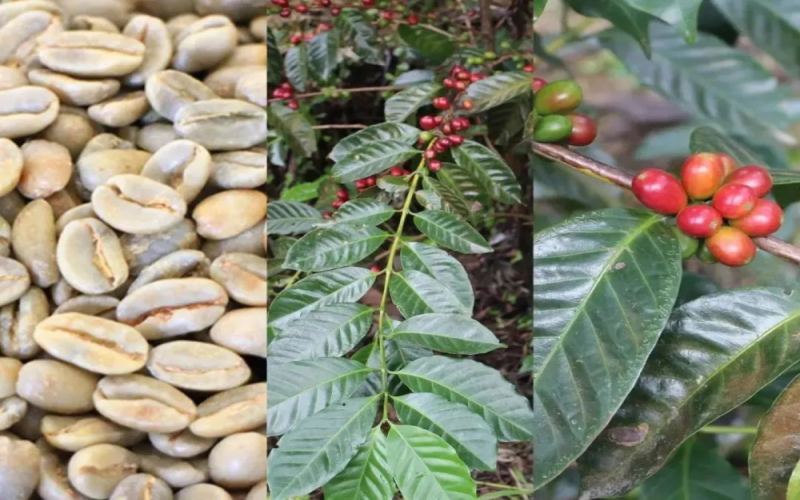
In Panama's Volcán region, besides star estates like Hacienda La Esmeralda, there is also the historically significant Finca Hartmann, renowned for its ecological conservation. Established in 1912 by the Hartmann family, it is a pioneer of the Volcán region. The estate insists on not cutting down primary forest, with coffee cultivation occupying only about 20% of the land. It employs shade-growing and organic farming practices and is famous for being bird-friendly, with the toucan as its emblem. Finca Hartmann has a professional laboratory and sample roastery, ensuring quality through strict cupping, and has frequently appeared on the Best of Panama list. Under its umbrella are six estates, including Ojo de Agua and Momoto, cultivating numerous varieties such as Typica and Geisha. Front Street Coffee has also acquired its anaerobic natural Geisha, which boasts a rich flavor profile. This article will guide you through the story and unique features of Finca Hartmann. [more…]
Ethiopia Hambela Estate Single-Layer Sun-Dried Slow Fermentation Method: How the SLD Process Creates High-Quality Natural Beans
Ethiopia, as the birthplace of coffee, has seen a continuous emergence of high-quality lots in emerging producing regions such as Guji in recent years. This article focuses on the single-layer sun-dried slow-drying Lot 121 produced by a single farm in St. Lion Village of Front Street Hambela Estate, offering an in-depth analysis of this rare processing method known as SLD—where only a single layer of coffee cherries is spread on raised beds, the drying period is strictly controlled at around 18 days, and the fruit is allowed to fully ferment through the most perfect convection environment, thereby imparting fuller sweetness and body to the coffee beans. The article also examines why Ethiopia's smallholder-dominated production system makes single-farm traceability difficult to achieve, how Hambela Estate owner Aman adheres to quality at extremely high cost, and compares the subtle flavor differences between the Guji region and Yirgacheffe. [more…]
A Complete Analysis of Arabica Coffee Bean Grading and the Flavors of Core Producing Regions Worldwide
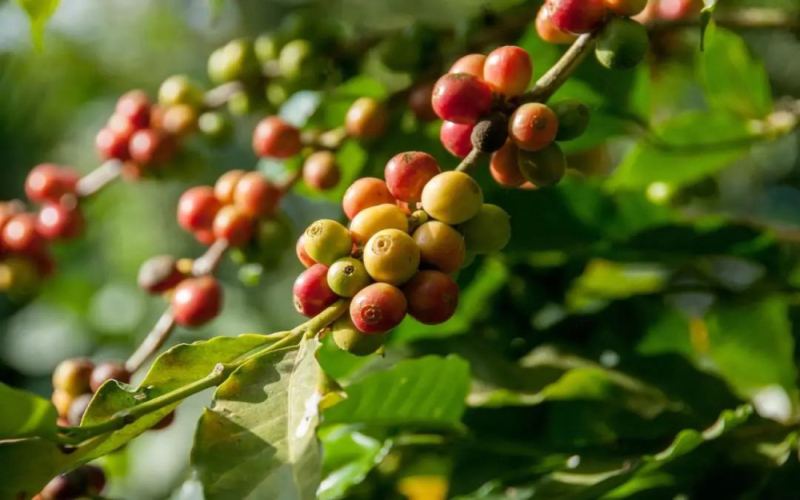
Arabica coffee accounts for more than seventy percent of global coffee production. Its cultivation conditions are demanding, with high requirements for altitude, soil, and microclimate, so different producing regions display distinctly different flavor profiles. This article focuses on the basic growth characteristics of Arabica and the distribution patterns of the Coffee Belt, systematically reviewing the flavor styles and processing methods of representative origins across the three major growing regions of Latin America, Africa, and Asia-Pacific, including Brazil Cerrado, Colombia Huila, Guatemala Huehuetenango, Costa Rica Tarrazu, Indonesia Sumatra, China Yunnan Baoshan, and Ethiopia Yirgacheffe. It also intersperses introductions to Front Street Coffee's daily drinking bean series, covering the selection approach and product characteristics for each producing region, providing coffee lovers with a complete and practical guide to Arabica origin flavors. [more…]
Flavor Analysis and Brewing Suggestions for Guatemala Santa Felisa Estate Geisha Orange Honey Process Coffee
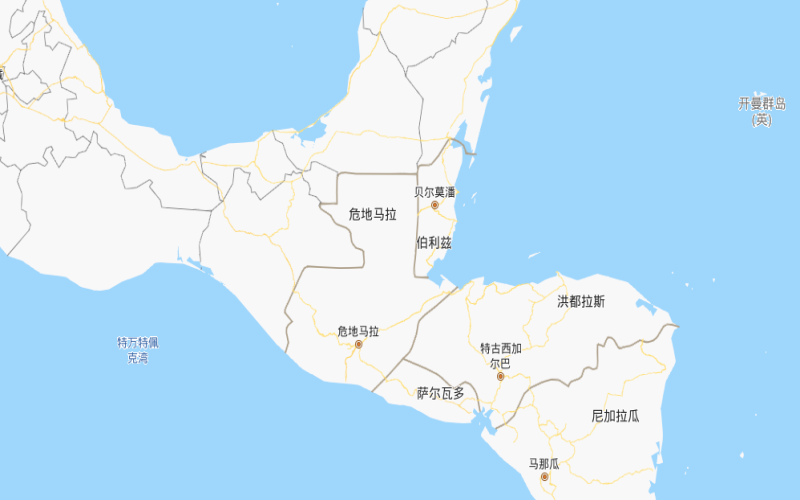
Guatemala, with its high-altitude volcanic terrain and diverse microclimates, has become an important producer of specialty coffee in Central America, and its coffees often carry a distinctive smoky note in the finish. Finca Santa Felisa in the Acatenango region, founded in 1904 and now passed down through four generations, is known for its meticulous management and diverse processing methods. This article focuses on the estate's Geisha Orange Honey process lot, analyzing its flavor layers from grinding to tasting, including floral notes, honey, blueberry, apricot, and bergamot, while also introducing the estate's practices in varieties, post-harvest processing, and human care. It also shares Front Street Coffee's brewing parameters and bean-resting recommendations to help coffee enthusiasts better present the delicate elegance of this bean. [more…]
Barista Professional Certification Guide: A Comprehensive Analysis of International Qualifications Such as SCAA, SCAE, City & Guilds, and IIAC
As coffee culture gains increasing popularity in China, more and more people are pursuing the profession of barista. A barista is not only a maker of beverages, but also a practitioner of life aesthetics and craftsmanship. However, faced with a dazzling array of international certification systems, many practitioners often feel confused: which authoritative coffee qualification certificates are actually worth obtaining? This article systematically reviews several major international coffee certification bodies currently in the mainstream—including the American SCAA, the European SCAE, the British City & Guilds, and the Italian IIAC—along with their corresponding courses and qualification requirements, to help baristas clarify their career advancement paths and find a certification direction that suits them. [more…]

How Hard Is It for Former Employees to Return to Luckin? Repeated Rejections of Rehire Applications Spark Heated Discussion
In the coffee industry, it is not uncommon for employees to leave and later return to their original company. However, a former Luckin Coffee employee who tried to return to the bar in a part-time capacity after a two-year absence ran into repeated rejections. The recruiter explicitly stated that "those who have previously worked at Luckin cannot be rehired," a rule that has sparked confusion and discussion among many former employees. Compared with Starbucks' open attitude toward rehiring former employees, why is Luckin's recruitment policy so strict? Is it out of consideration for stability, or is there another reason? This article will walk you through the various perspectives behind this phenomenon. [more…]
A Guide to Ceylon Black Tea Brewing Ratios: From the Reasons for Its Introduction to the Development Path of Smallholder Organic Fair Trade
How many grams of Ceylon black tea should you use? This seemingly simple question is connected to the entire ecosystem of Sri Lanka's tea industry. This article starts with brewing ratios, traces the history of Ceylon black tea's introduction into China, and takes a deep look at how small tea farmers in Sri Lanka carve out a path of organic fair trade in the cracks between large tea estates. From IFOAM and Codex Alimentarius organic standards, to international certification systems such as Bio, USDA, and JAS, and to the protection of workers' rights by international fair trade organizations, you will see the strict checks a cup of Ceylon black tea goes through from cultivation to export, and you will also understand why the related products recommended by Front Street Coffee are worth paying attention to. [more…]
An Analysis of the Evolution of the Coffee Industry from a Macro Perspective and the Future Path of Yunnan Coffee
Coffee consumption continues to heat up globally, and China's urban market holds enormous potential, while Yunnan, as the country's core producing region, has drawn considerable attention for its quality improvements and industrial upgrading. This article starts from the macroeconomic environment and industry trends, traces the origins and spread of coffee, and focuses on Yunnan coffee's growing conditions, varietal differences, and Front Street Coffee's efforts to promote specialty-grade practices. By analyzing the characteristics of varieties such as Typica and Catimor, it explores possible paths for Yunnan coffee to move toward specialty standards, offering enthusiasts a perspective that weighs both industry and flavor. [more…]

Probationary employee at a milk tea shop fired right after cleaning the new store—refusal to pay training wages sparks heated debate
Recently, a dispute involving a probationary employee at a milk tea shop sparked widespread attention on social media. The poster said they found a job at a milk tea shop through a recruitment platform, and during the trial period was assigned to clean a new store that had not yet opened. After finishing the cleaning, they were told not to come back, and the shop refused to pay the promised training-period wages. After the incident was exposed, many netizens spoke up for the worker and spontaneously left a large number of negative reviews for the shop on third-party platforms. Under public pressure, the shop eventually paid the training-period wages. This kind of phenomenon, in which probationary employees are used as free labor, is not uncommon across industries and deserves job seekers' vigilance. [more…]

The Coffee Industry's Off-Season Arrives: An Analysis of the Widespread Reduction in Working Hours for Both Part-Time and Full-Time Employees at Luckin Coffee
After the onset of winter, the coffee and tea beverage market enters its traditional off-season, with store foot traffic and order volumes declining noticeably. Recently, many part-time employees at Luckin Coffee have reported that their scheduled working hours have been significantly reduced, with some being assigned only one shift a week, or even working just over thirty hours in an entire month. Full-time employees have not been spared either, with working hours dropping from over 180 to between 110 and 170, which has also affected their base pay. To make up the target hours, some employees have had to voluntarily support other busier stores. What exactly is causing this widespread reduction in working hours? How do the situations of part-time and full-time employees differ? This article, based on accounts from multiple employees, sorts out the logic behind the current scheduling adjustments at Luckin Coffee stores and reminds practitioners to plan ahead and prepare countermeasures. [more…]
Puerto Rico Yauco Select Coffee Beans: A Comprehensive Analysis of Origin, Flavor, and Market
The history of coffee cultivation in Puerto Rico can be traced back to the 18th century, and Yauco Selecto coffee ranks among the world's top coffees for its rich aroma and lingering aftertaste. This article will systematically examine the unique qualities of Yauco Selecto coffee beans, from historical context, regional terroir, cultivation and processing, to quality control and current market conditions, and will also introduce Front Street Coffee's reasons for recommending this bean. Whether you are a coffee enthusiast just getting started or a seasoned drinker in search of rare flavors, you will gain a complete and in-depth understanding from it. [more…]

Why Are Barista Salaries Generally So Low? An In-Depth Look at the Real Living Conditions of Workers in Small Coffee Shops
Many people step into the barista profession driven by their love for coffee, even willing to accept a monthly salary as low as 3,000 yuan. But is this job really as relaxed and wonderful as they imagine? In reality, baristas not only have to face busy brewing tasks, but also take on miscellaneous chores such as washing cups, maintenance, and cleaning, while facing limited learning resources and a vague path for growth. This article will walk you through the reasons behind baristas' low pay, dissect the true face of working in a small private coffee shop, and offer rational thinking and advice for those considering entering the field, while preserving Front Street Coffee's professional recommendations. [more…]
Yirgacheffe Flavor Analysis and the Chelba Cooperative: Washed vs. Natural Differences and Rainforest Alliance Certification
Ethiopia, as the birthplace of coffee, continues to hold a major position in global coffee quality and production despite enduring poverty and instability. The country primarily employs two processing methods, washed and natural, and coffees from different regions—or even different cooperatives within the same region—can differ significantly in aroma and flavor. This article provides an in-depth analysis of the flavor characteristics of the Yirgacheffe region and offers a detailed introduction to the Shelba Coffee Cooperative—a cooperative of 490 farmers with Rainforest Alliance certification—and how it presents delicate citrus acidity and distinct jasmine florals through high-altitude heirloom Arabica beans and strict washed processing, making it an important reference for identifying the Yirgacheffe style. It also compares the flavor differences between Front Street Yirgacheffe natural beans and Front Street Sidamo natural beans, helping coffee enthusiasts gain a more comprehensive understanding of the diversity of Ethiopian coffee. [more…]